PRODUCTS

 Language
More Language
Language 

CONTACT US
+ 86-17805854405One-stop comprehensive solution provider

One-stop comprehensive solution provider
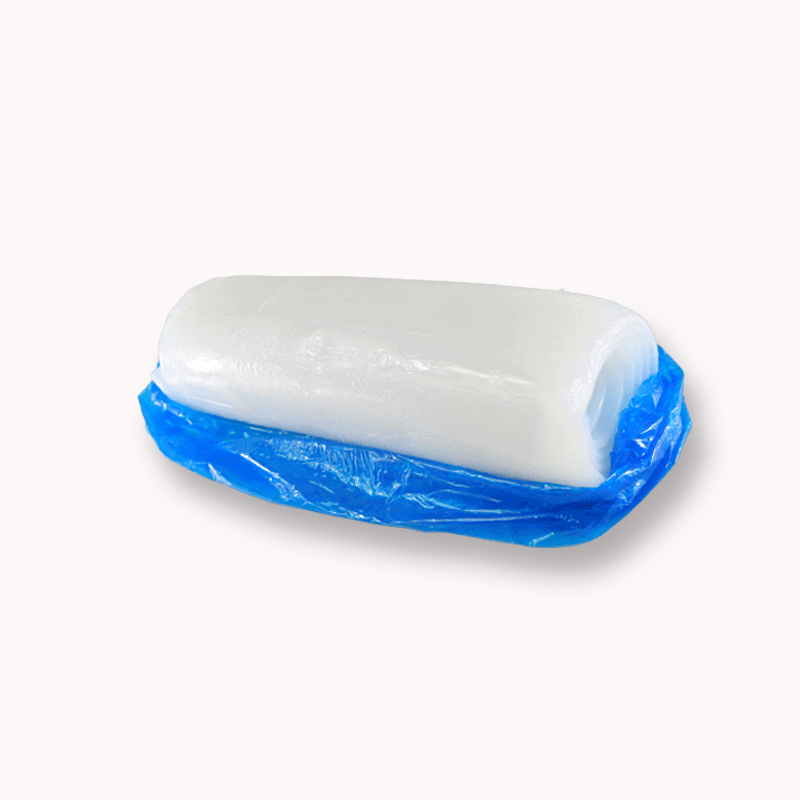
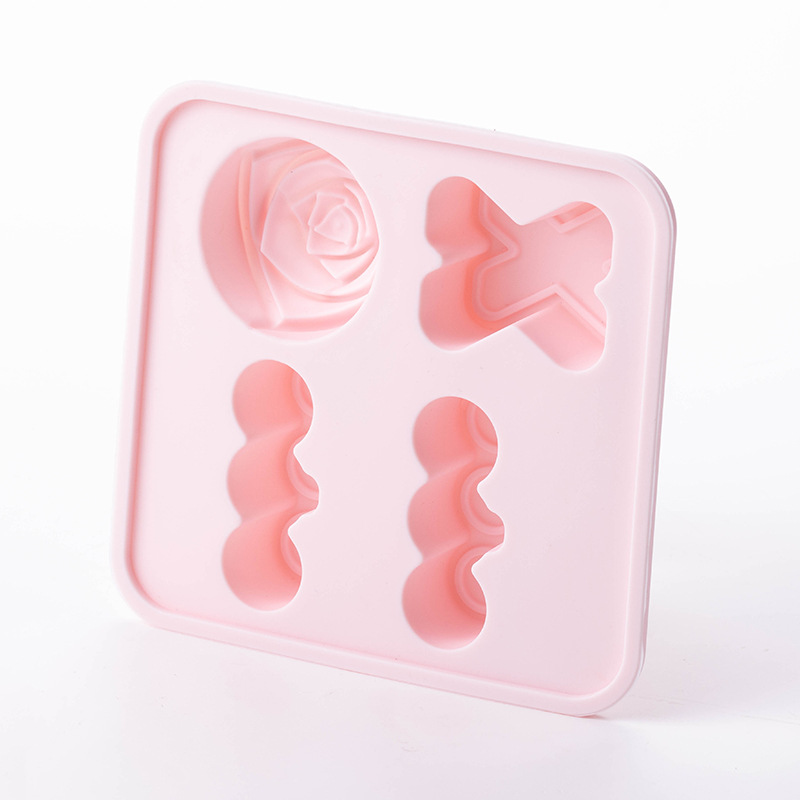
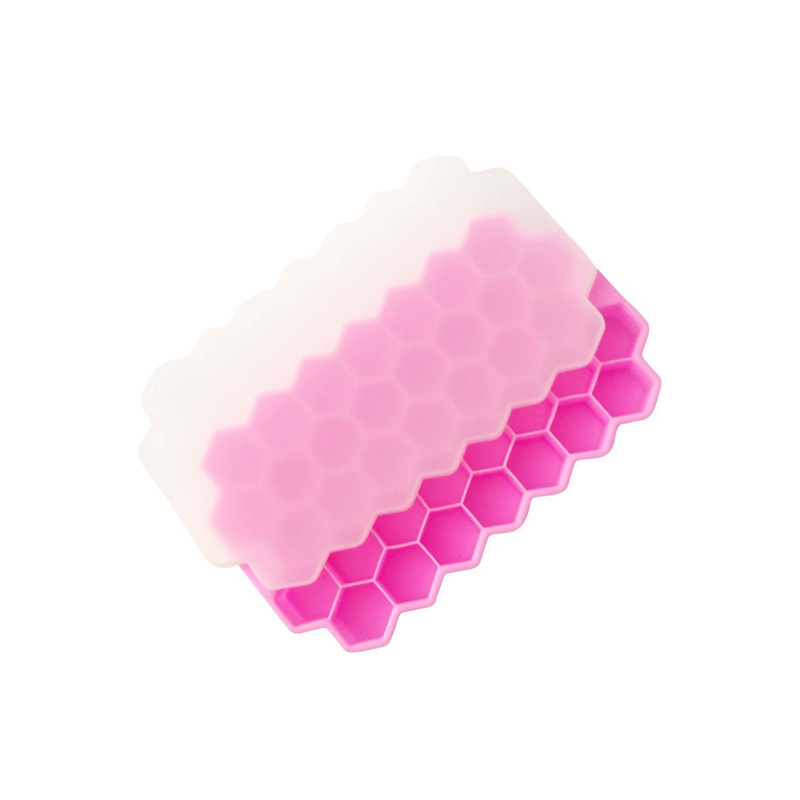
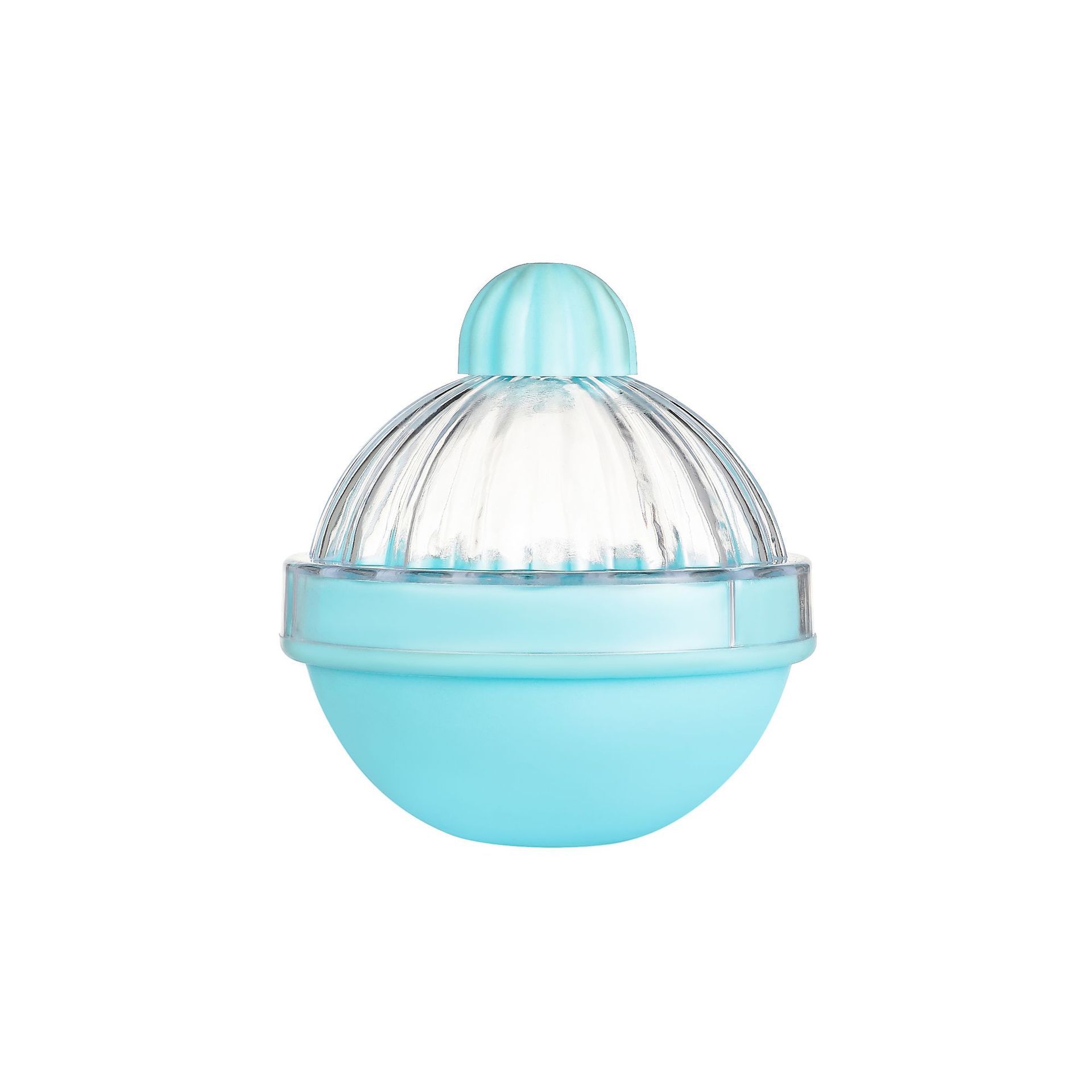
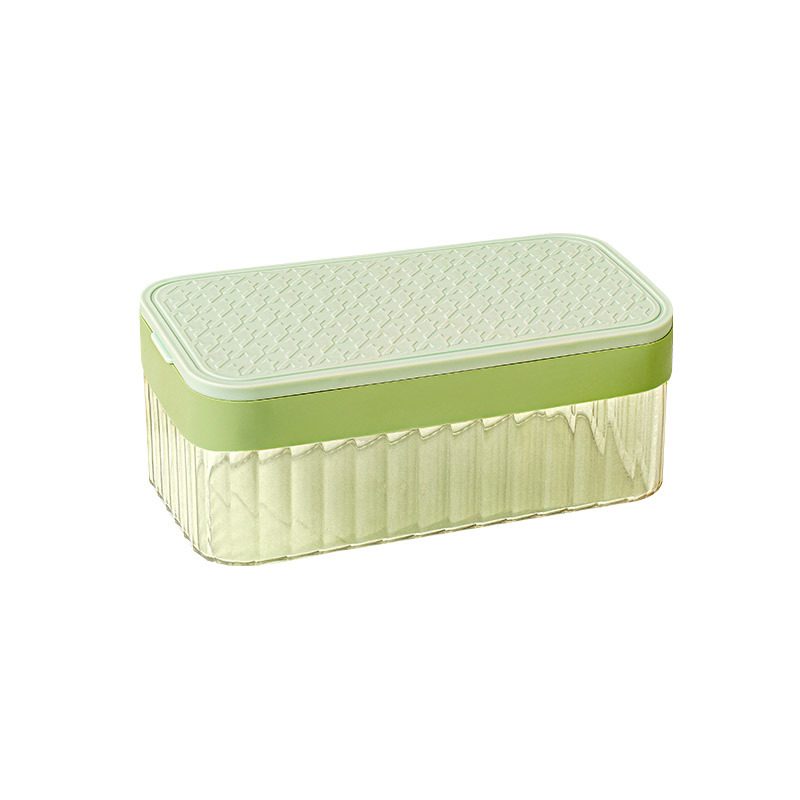
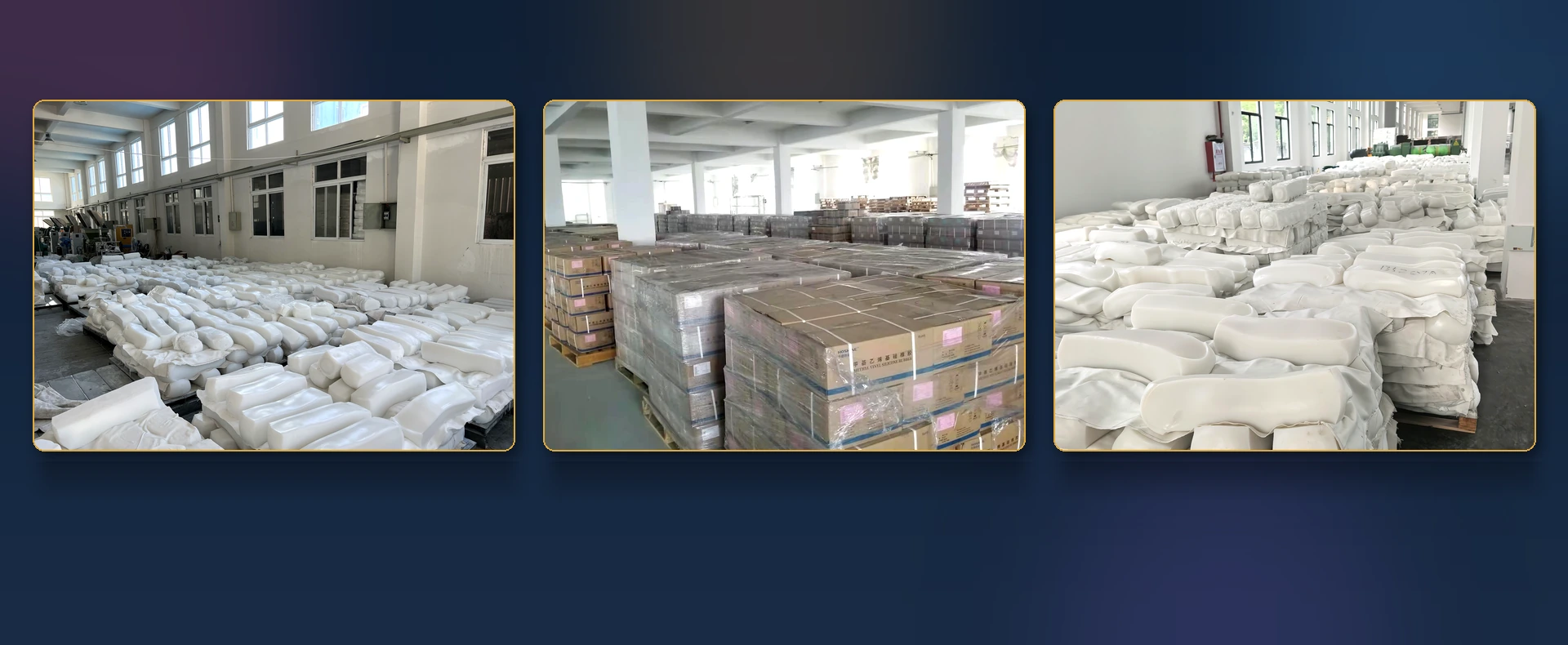
Wenzhou Rongyi Technology Co., Ltd. is a comprehensive silicone enterprise that integrates the research and production of silicone raw materials and the manufacturing of silicone products. Our main products include mixed-silicone rubber raw materials, silicone ice trays, silicone kitchenware, silicone pet products, baby and children's silicone products, and various silicone daily necessities. We also undertake the customization and developmen...
More >
 Own factory
professional manufacturer
 12+
Rich industry experience
 On time delivery
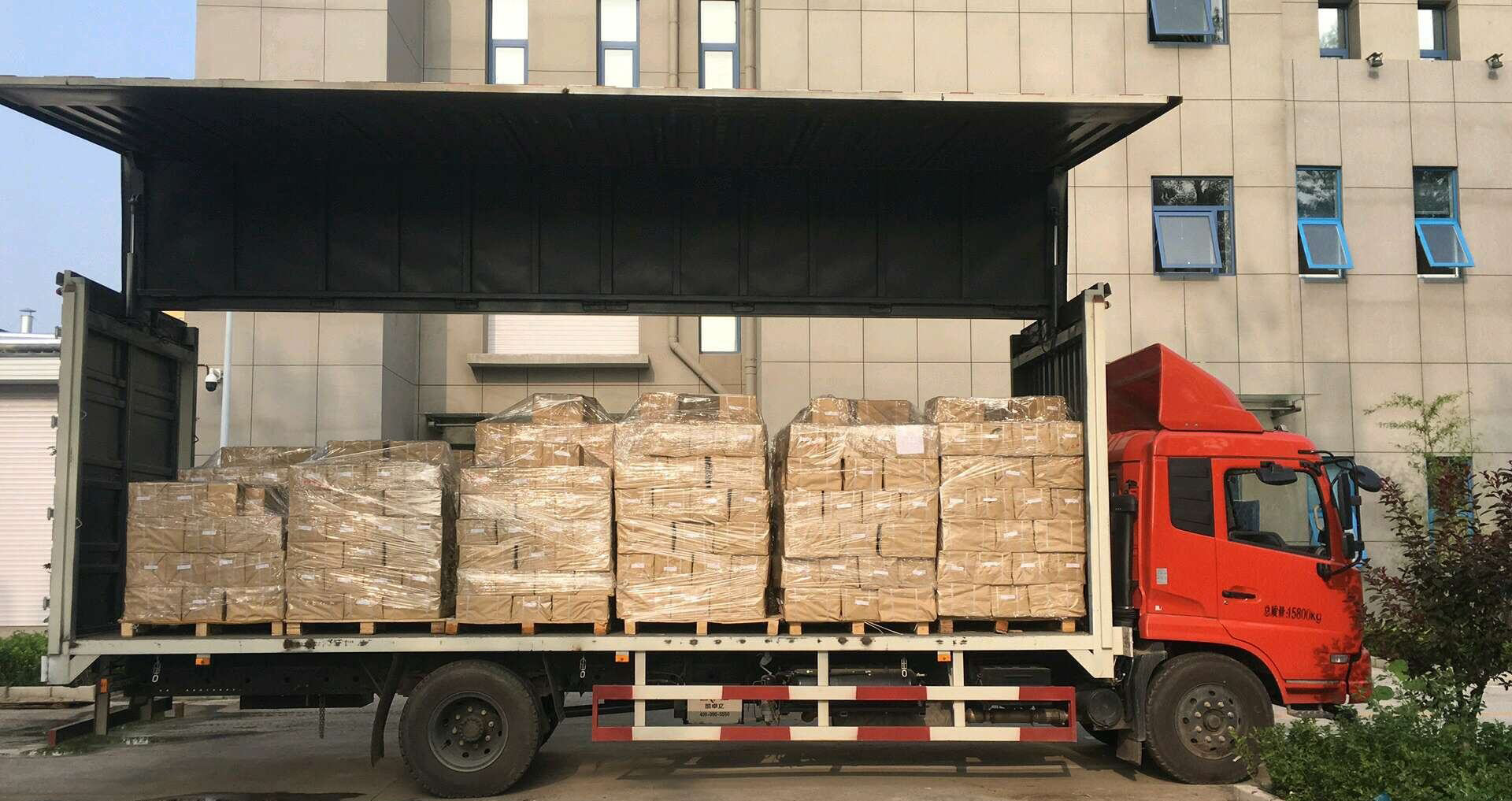
convenient transportation
 Quality Assurance
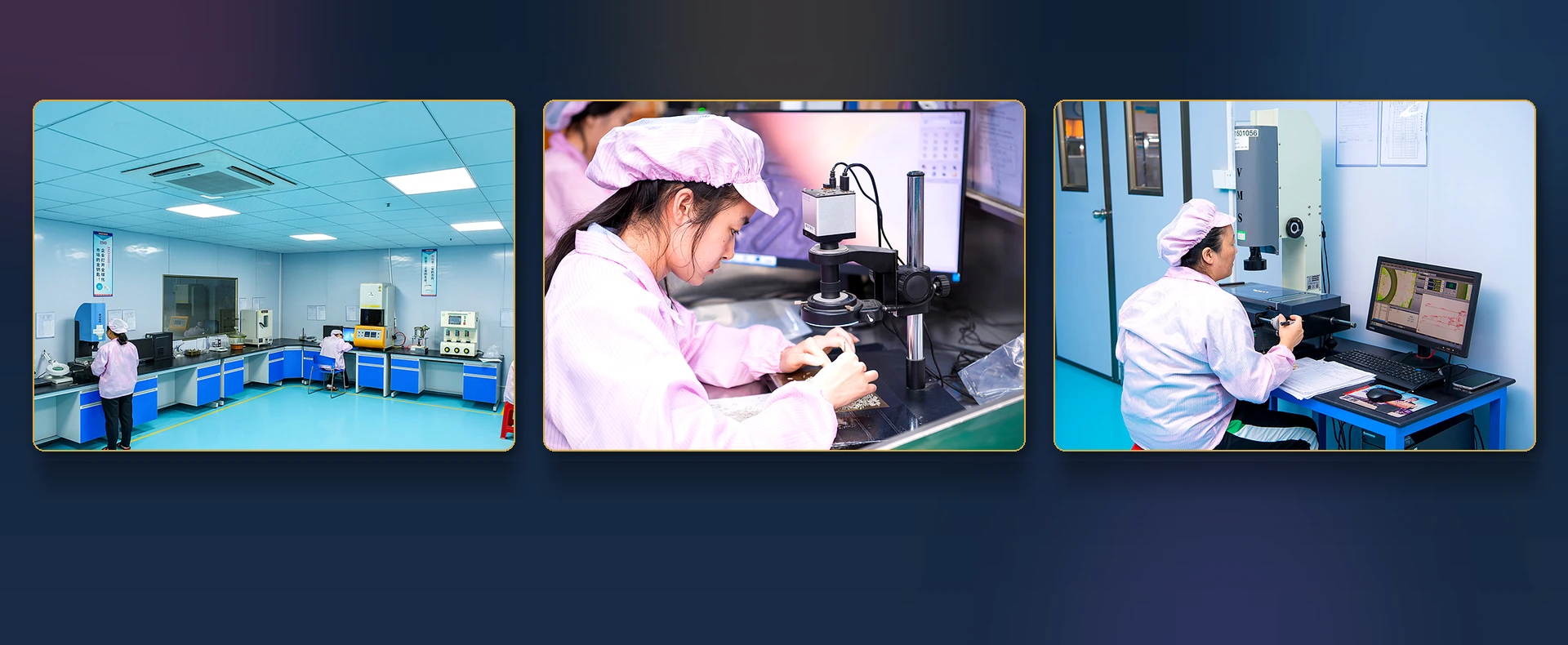
Strict testing before leaving the factory
Keep the latest industry information updated in a timely manner
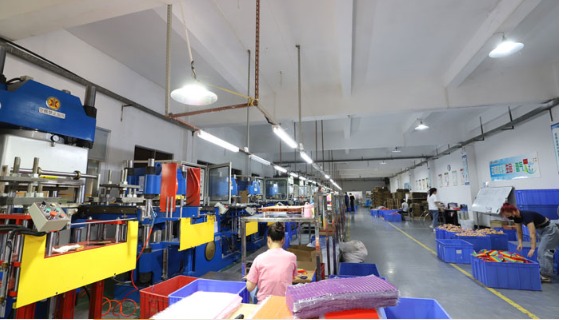
From Compound to Carton: The Seven Stages Inside a Silicone Factory
Wenzhou Rongyi covers 7 full silicone production stages: formulation, mixing, filtering, color matching, blanking, vulcanization molding & finishing. Vertical i···
2026-11-17

Wenzhou Rongyi Technology: A Vertically Integrated Silicone Manufacturer in Wenzhou, China
Wenzhou Rongyi | Integrated Silicone Compound & Products Factory
2026-11-17
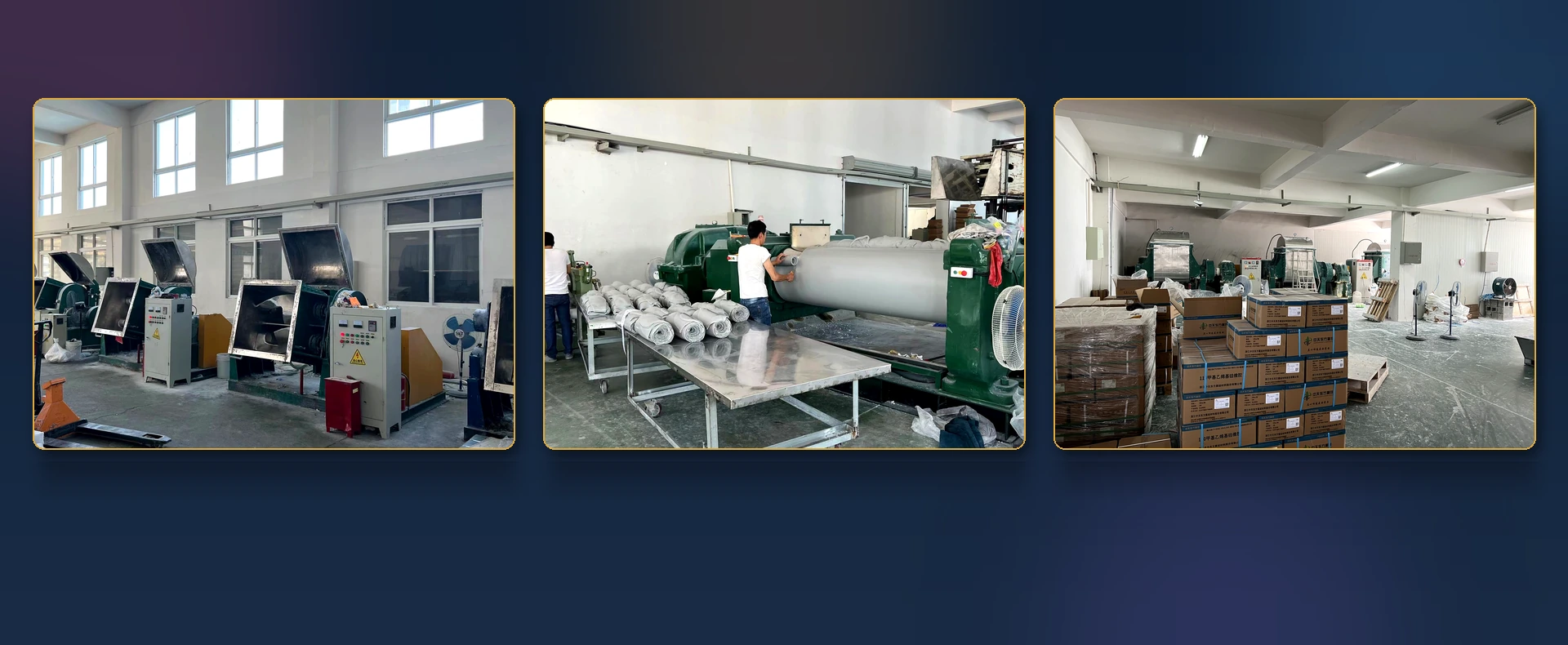
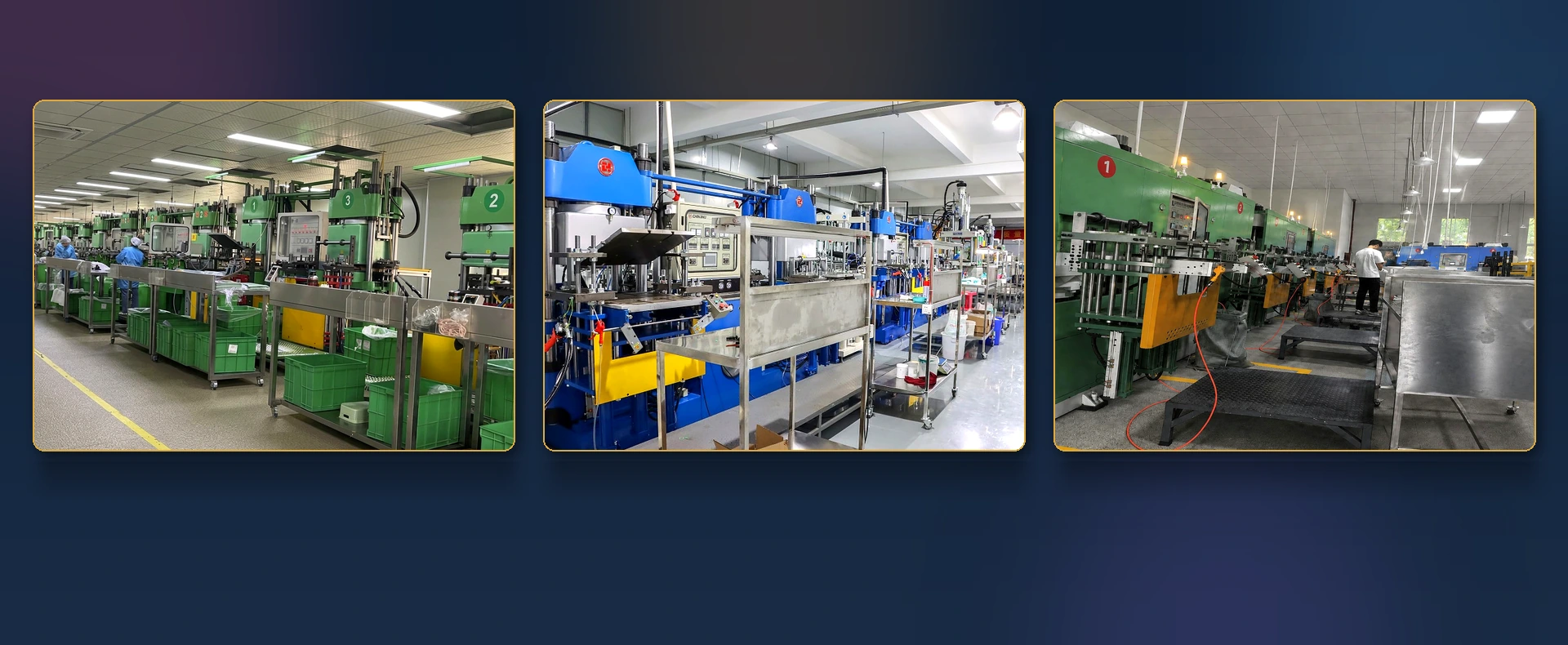
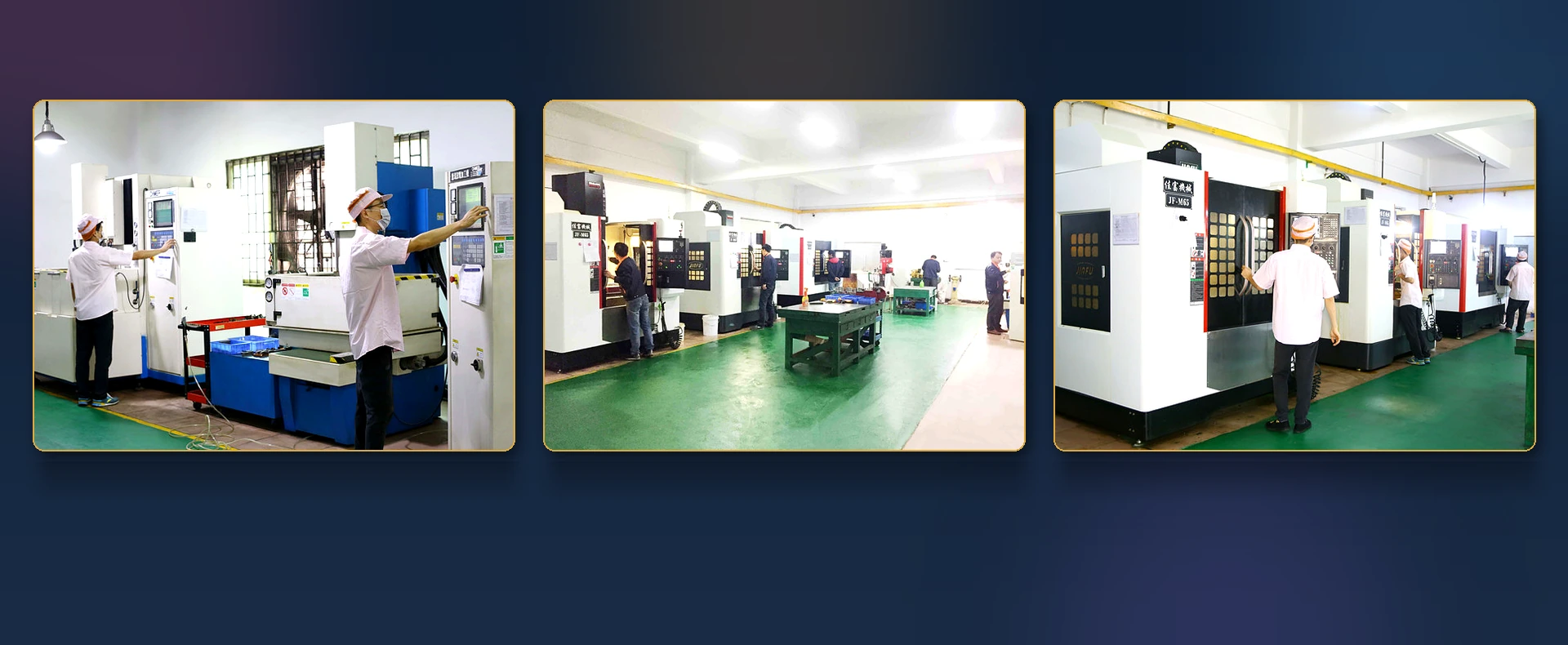
A manufacturer. We compound our own silicone rubber and mold finished products on our own lines, in a 18,000 m² factory in Wenzhou, Zhejiang. The practical consequence: the people who set your material specification and the people who run the press work for the same company, and you can see both in one visit.
Our compound and our finished products are tested to FDA 21 CFR 177.2600, LFGB §30/§31 and RoHS standards. One clarification buyers rarely hear: the FDA does not certify food-contact materials — conformance is shown by accredited laboratory reports, and we hold them for both the raw material and the finished part. That pair is what most suppliers cannot produce, because they buy their compound. Tell us your destination market and we send the matching reports before you commit.
It is quoted per item, because it depends on the tooling situation rather than on a company-wide policy — an existing mold and a new mold are two different economics. If you tell us the item and your target quantity, you get a firm number in the same reply. We would rather start with a trial order and grow it than lose a relationship over a first-order threshold.
Sampling depends on whether a tool already exists; production depends on the current schedule. We give a dated commitment against your actual specification rather than an average that may not hold for your item — a date you can plan a container around.
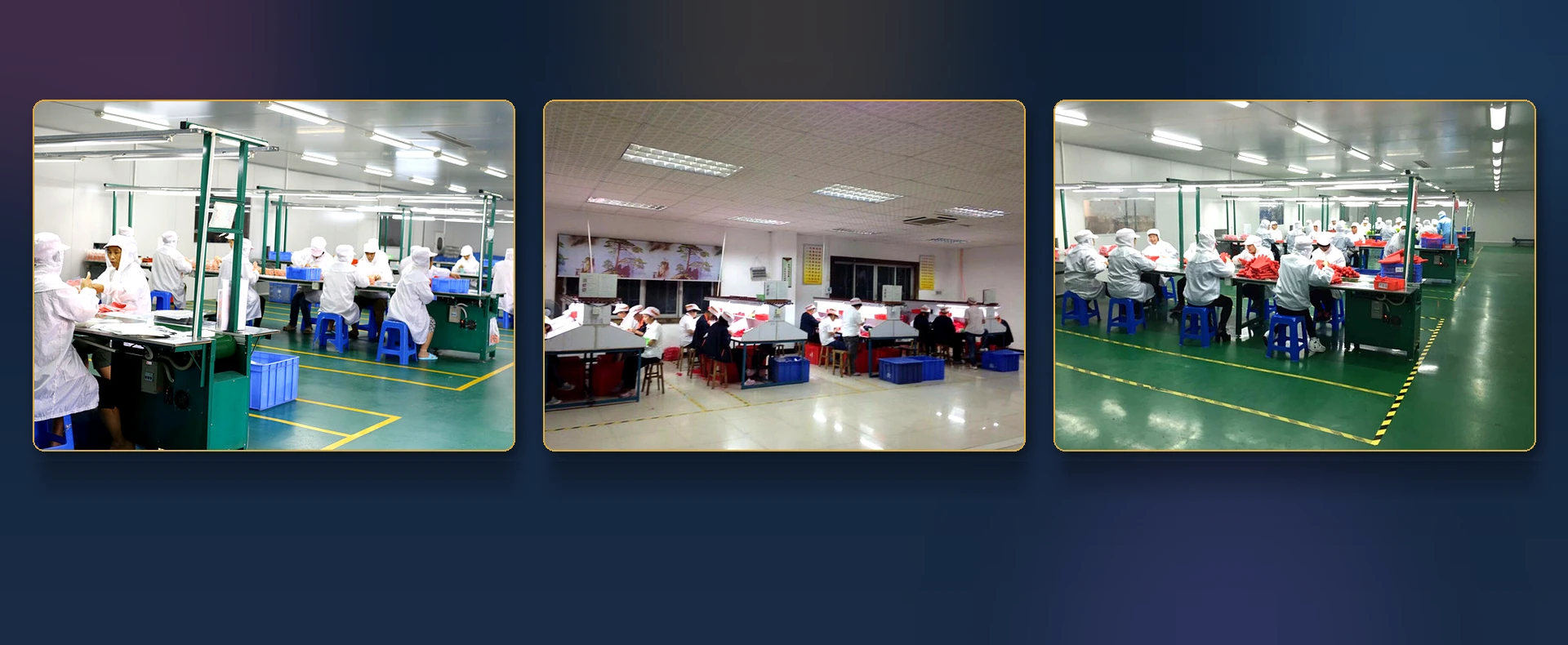
Seven stages, all in one plant: formulation, mixing, filtering, color matching, blanking, molding with vulcanization, finishing and inspection. Two of those are where cost-cutting usually happens — filtering, which removes agglomerates that become weak points, and post-cure, the secondary bake that drives off residual volatiles. Because compound and molding are under one roof, a defect can be traced back to the batch that produced it instead of being argued about between two suppliers.
Because the cost structure is different, not because we discount. The building is ours, so no rent sits in the price. A solar system offsets part of the electricity that mixing and pressing consume. The compound is made in-house, so there is no supplier margin inside the material line. Price still follows specification — and when a quote is much lower, ask what is excluded: usually the compound grade, the wall thickness, or whether the test report covers the finished part.
Both OEM and ODM. Send a drawing, a 3D file, or a sample; if the geometry is yours but the material is ours, that is a normal project. Tool ownership is agreed in writing before the tool is cut — buyer-owned, supplier-owned with amortization, or shared. Sampling then changes one variable per round, so the approved specification can actually be repeated in production.
Capacity is quoted against the specific item, because it varies with cycle time and cavity count rather than being a single factory number. The structural point that matters for scaling: compound supply and molding are not separate suppliers, so a volume ramp does not depend on someone else's allocation of material.
Terms are set per project and confirmed in the quotation. The standard structure for export orders is a deposit by T/T with the balance against a copy of the bill of lading, and FOB from a Chinese port; other arrangements are discussed case by case depending on order value and history.
Yes. OEM and private-label production is a normal part of the service, including neutral packaging with no factory marking where a buyer needs it. Commercial invoice, packing list, bill of lading, certificate of origin and the relevant test reports are provided for customs clearance.
CONTACT US
Service creates value, existence shapes the future.